
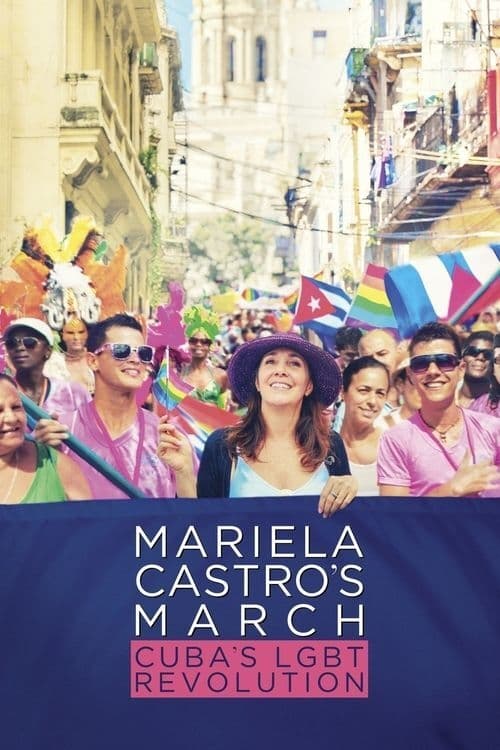
Mariela Castro's March: Cuba's LGBT Revolution
A rare look inside Cuba’s LGBT community, this compelling film follows the efforts of Mariela Castro, daughter of President Raúl Castro, as she champions LGBT social reforms and acceptance of diversity.
Found 417 results Back to Home
A rare look inside Cuba’s LGBT community, this compelling film follows the efforts of Mariela Castro, daughter of President Raúl Castro, as she champions LGBT social reforms and acceptance of diversity.


When the Soviet Union collapsed in 1990, Cuba's economy went into a tailspin. With imports of oil cut by more than half – and food by 80 percent – people were desperate. This film tells of the hardships and struggles as

Starting from the life of the filmmaker Julio García Espinosa, the documentary is projected towards a reflection on the emergence and development of Cuban revolutionary cinematography, its struggles, contradictions and c
In the spirit of The Buena Vista Social Club, this powerful documentary from filmmaker Cecilia Domeyko introduces the Camerata Romeu, a rare group of female musicians with a woman conductor -- one of the most popular act
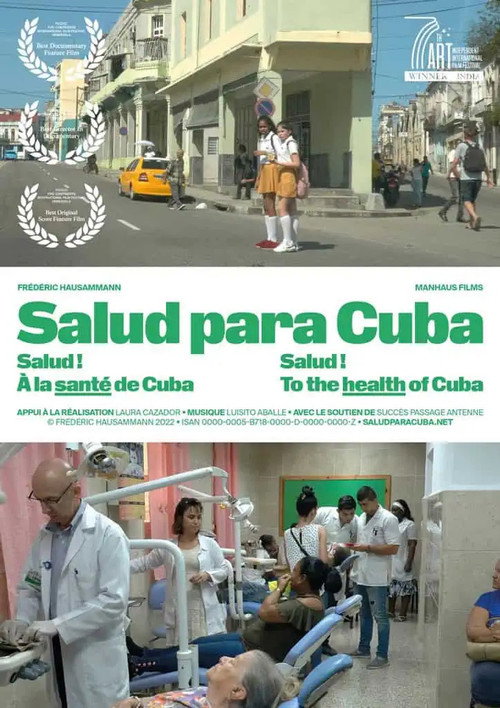
“Cuba’s Forgotten Jewels” was born of the tales that Marion Kreith told her daughter, co-director Judy Kreith, over the years. Marion escaped war torn Europe as a young girl with her family, evading Nazi capture and cros
Reconstruction, with models, of the explosion of the battleship Maine in Havana. Samir Benhalilou contacted Méliès' granddaughter and she confirmed that no copies of this film survive.
¡Yankis, Go Home!


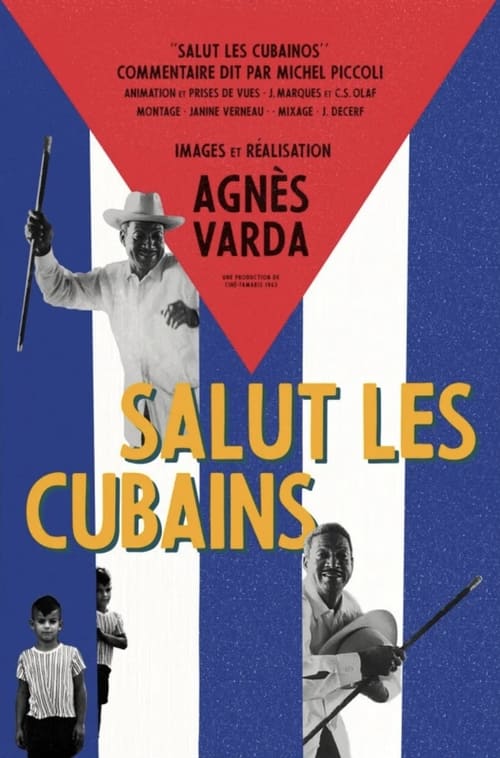
A photo montage of Cubans filmed by Agnès Varda during her visit to Cuba in 1963, four years after Fidel Castro came to power. This black & white documentary explores their socialist culture and society while making use
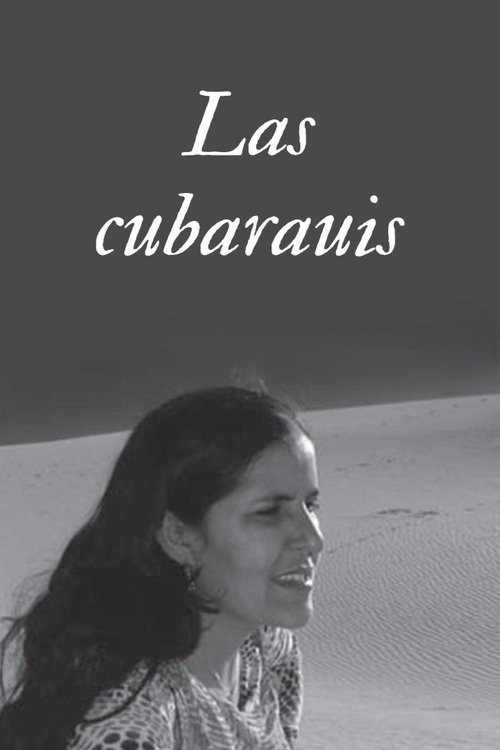
Muslim women who leave the camps as teenagers to study in Cuba. After over a decade living in the land of salsa, they return to the desert... how will their new spirit adapt to Islamic precepts? What reasons do they have

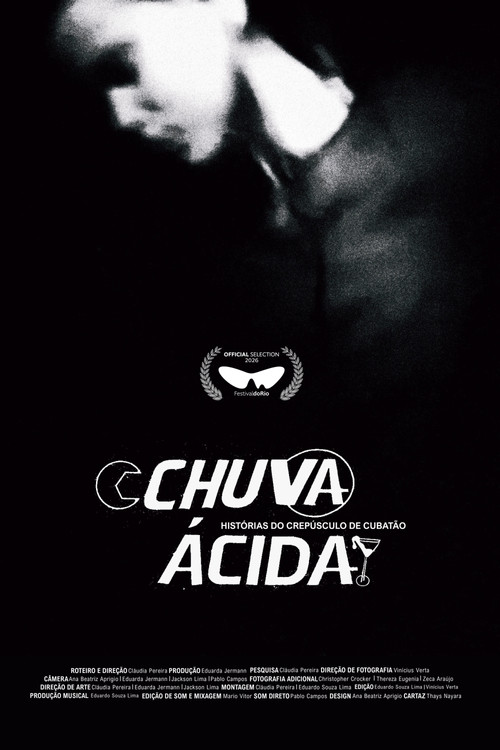
A documentary that brings together personal memories and rare footage of the nightclub that operated in Copacabana from 1984 to 1989. Featuring interviews with DJs, staff, and patrons of Crepúsculo de Cubatão, the film e
Documentary in four parts on Latin American cinema. Fourth episode: in Cuba, the ICAIC, created in the aftermath of the Castro revolution, is at once a film school, a production company and a state cultural branch. Cuban


Paco and José are two teenage boys living in a marginal neighbourhood of Madrid, a place hostile to each of their dreams. With serious family problems, and surrounded by an aggressive, macho, homophobic environment, they


A couple breaks up and spends the night wandering the streets of Cubao as they ponder on their relationship “what ifs”--struggling to let each other go in a place where all roads eventually lead to each other.
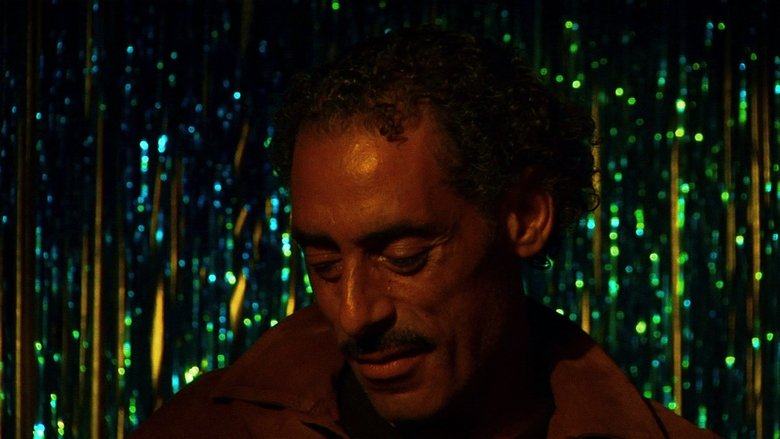

An homage from Serra to one of his idols, Rainer Werner Fassbinder, shot in a nightclub full of characters that resemble the ones of Fassbinder films. The title comes from the favourite drink of “Beware of the Holy Whore