
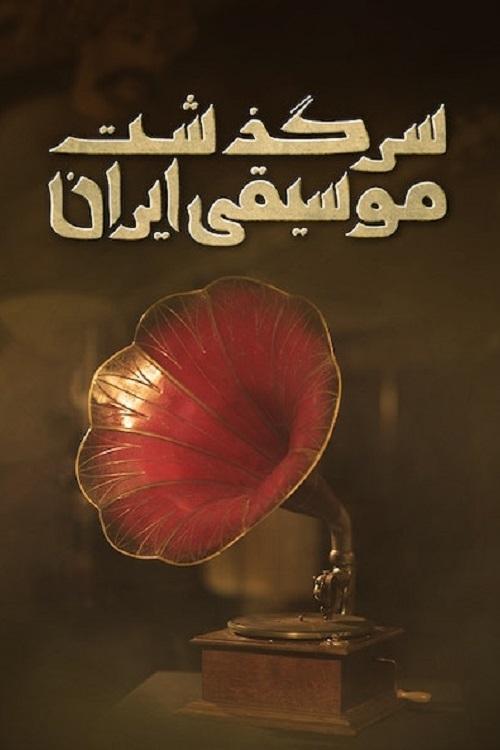
History of Persian Music: From Shah To Khomeini
The evolution of music from Shahrivar 1320 (August 1941) at the same time as the reign of MohammadReza Pahlavi until 22 Bahman 1357 (February 1978) and the banning of music by Ruhollah Khomeini.
Found 80 results Back to Home
The evolution of music from Shahrivar 1320 (August 1941) at the same time as the reign of MohammadReza Pahlavi until 22 Bahman 1357 (February 1978) and the banning of music by Ruhollah Khomeini.

An adventure-filled journey through 60 centuries of history, to learn about the formation, changes and developments and progress of musical art in Iran.
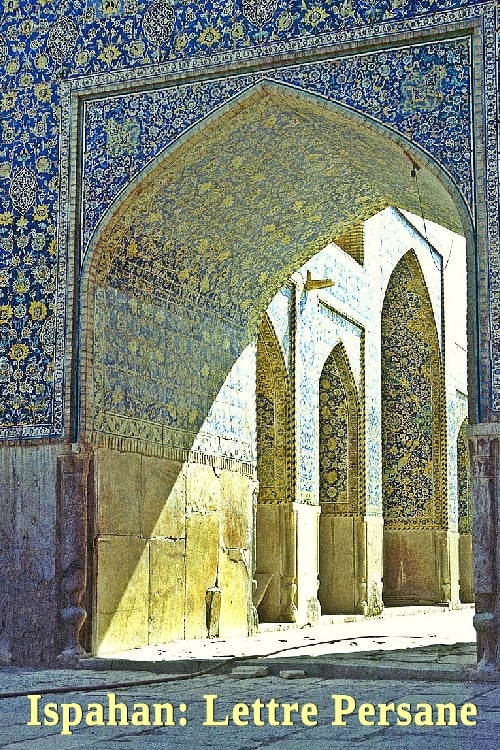
Jean Rouch’s camera follows his friend, filmmaker/actor/critic Farrokh Ghaffari, as he walks and talks us through the famous Shah Mosque in Esfehan. While guiding him and answering his questions, Ghaffari makes Rouch dis
In the Bible Persia interacts a great deal with the nation of Israel. But how do the recorded historical accounts of the Persians match up with those of Israel recorded in the Bible. Dr Mark Woolmer investigates.
Second Episode: About the changes and developments in the music of this land from the end of the Safavid era to the end of the Second World War. From the courts of different kings to holding the first concerts in Iran,
During the COVID-19 pandemic, Edik, the director’s grandfather, falls seriously ill. The strain aggravates his wife Ella’s dementia, and she begins keeping a diary to hold on to events as they slip away. After Edik’s dea
This enlightening documentary allows viewers to experience the glory of Persepolis, the capital of the Persian Empire built in 520 B.C. by King Darius I of the Archaemenids, who first created a 40-acre terrace to hold th
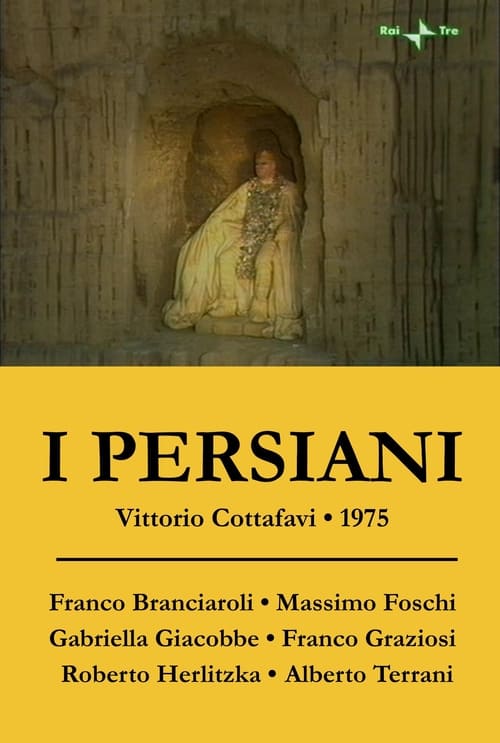
An adaptation of the Aeschylus play.

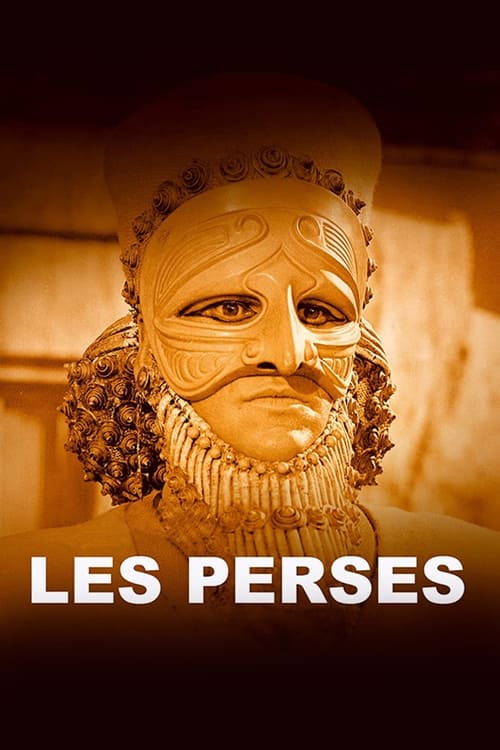
Les Perses (The Persians) is a French TV movie adaptation of Aeschylus' oldest known tragedy, Πέρσαι (Persai). It was originally broadcasted in October 31, 1961. The play deals with the aftermath of the Persian defeat in


Middle class Sandra, engaged to be married and living in Turin, searches for her missing sister that is estranged from her family. For this, she enters the morally degraded back allies of the port city of Genoa and is ex

A theatrical production of Aeschylus's ancient Greek tragedy directed by Mario Martone, staged at the Teatro Greco di Siracusa (Greek Theatre of Syracuse) for the Istituto Nazionale del Dramma Antico (INDA).


Haunted by memories as a child soldier in 1980s Iran, Behrouz finds himself in bustling, neon-soaked Los Angeles, working to become a real estate agent and live a simple life with his girlfriend Oksana. But Behrouz’s att

A cinematic film that utilizes footage and recordings from a theatrical performance to present Aeschylus' Persians in a contemporary and unique way. The aim is not to document the production process but to create a stand
1967 TV movie by Dimitris Rontiris.

A film about the right to divorce for women in Iran. The Upside-down Triangle is the first feature film by Iranian independent filmmaker Hossein Rajabian. The black-and-white film has been shot and directed by Rajabian –
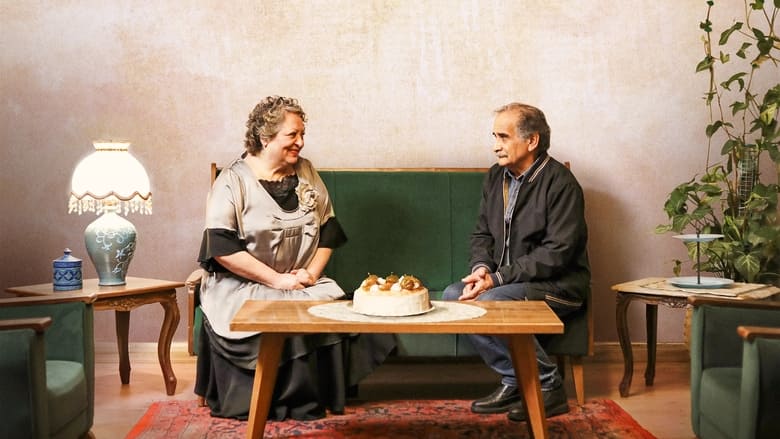
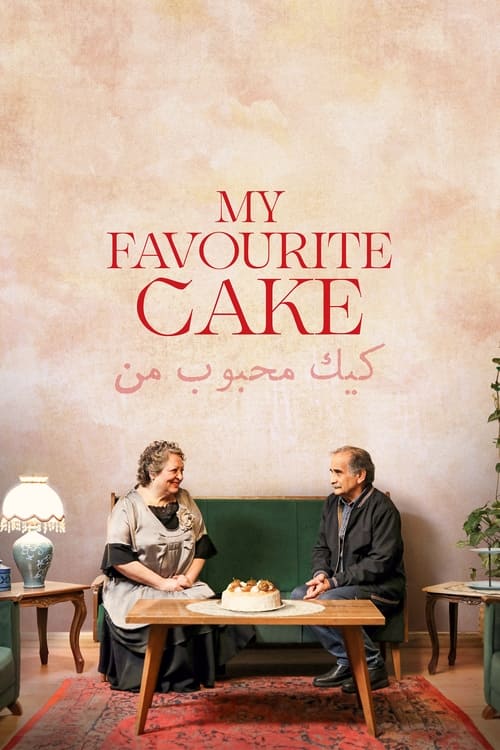
Mahin lives alone in Tehran since her husband’s death and her daughter’s departure for Europe, until an afternoon tea with friends leads her to break her solitary routine and revitalize her love life.

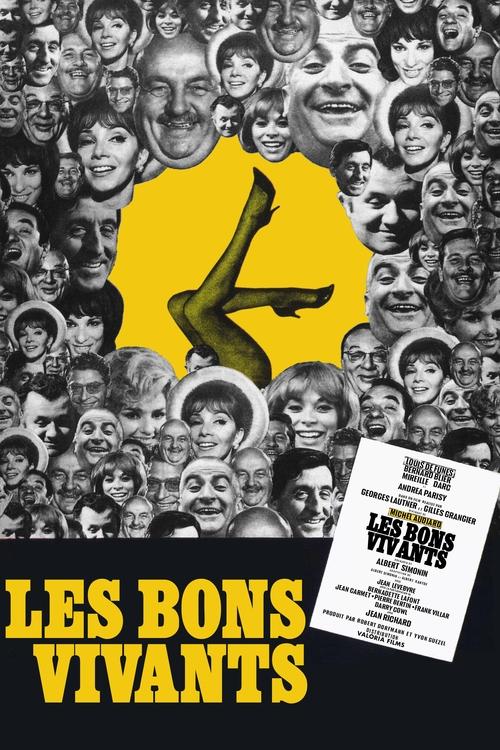
The film consists of three novels. The film begins with the fact that the Bernard Blier hero removes a lantern from the entrance to a brothel. The second part is about how the lantern and jewelery were stolen from a youn

During the Civil War a young soldier loses his nerve in battle and runs away to his home to hide; his sister puts on his uniform, takes her brother's place in the battle, and is killed. Their mother, not wanting the sham