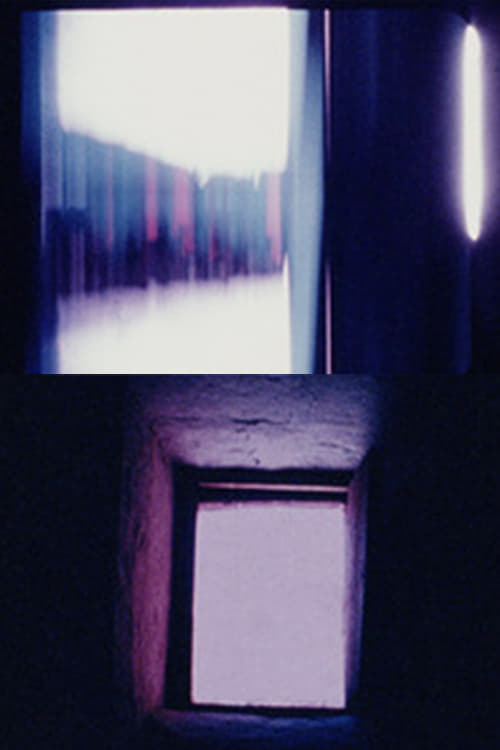
Arequipa
“Shot in the Peruvian convent of Santa Catalina, AREQUIPA analogizes the building blocks of film (frames, color and black and white stocks, negative reversal, superimpositions) to the frames of architecture (doorways, wi
Found 22 results Back to Home
“Shot in the Peruvian convent of Santa Catalina, AREQUIPA analogizes the building blocks of film (frames, color and black and white stocks, negative reversal, superimpositions) to the frames of architecture (doorways, wi
Problems and possibilities for future development of the Arequipa department in the face of the scarcity of water useful for agricultural work and generation of electricity, addressed in the regionalization policy undert
It highlights the artistic beauty and splendor of the old Santa Catalina convent in Arequipa.
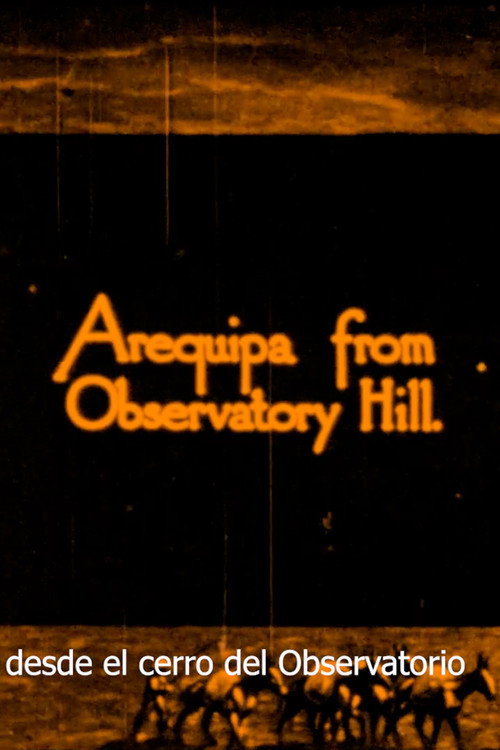
Travelogue was distributed by the American company Lincoln & Parker in 1928.
The polychrome ceramic mural integrated into the architecture of the Banco del Sur in Peru, by the Bolivian artist Lorgio Vaca (Santa Cruz, 1930) and its relationship with the Arequipa landscape.
Jorge Bedoya was an amateur filmmaker from a well-to-do family in Arequipa. Starting from the 1940s, he used an unconventional format to film: Double 8mm. This project takes up of that recording format the concept of two
Produced by Manuel Trullen.
About furriers in Arequipa, the great livestock region of Peru.
Film by Jorge Bedoya Forga (Arequipa, 1902 - New York, 1968), a pioneer of amateur 8mm film in Peru, was filmed around 1932 and records a wedding held in Arequipa.
Record of the old La Recoleta convent in the white city.
Evocation of the city of Arequipa in its aspects of history, architecture and folklore.
Film by Jorge Bedoya Forga (Arequipa, 1902 - New York, 1968), a pioneer of amateur 8mm film in Peru, was filmed around 1935 and records views of the old Arequipa airport and apparently of the Charcani hydroelectric power
Short film.
This film by Jorge Bedoya Forga (Arequipa, 1902 - New York, 1968), a pioneer of amateur 8mm filmmaking in Peru, contains footage from approximately 1940 and 1933 (in order of appearance). It records a typical bullfight a

Film by Jorge Bedoya Forga (Arequipa, 1902 - New York, 1968), a pioneer of amateur 8mm filmmaking in Peru. Filmed around 1933 and 1934, it records a kite competition and several views of two dogs, probably the filmmaker'
Documentary.
A newsreel from the 1940s depicts the inauguration of Melgar Stadium in Arequipa, the capital city of the state. The event features a packed stadium and the presence of prominent figures in Peruvian football: Núñez Borja
Documentary.
Documentary.