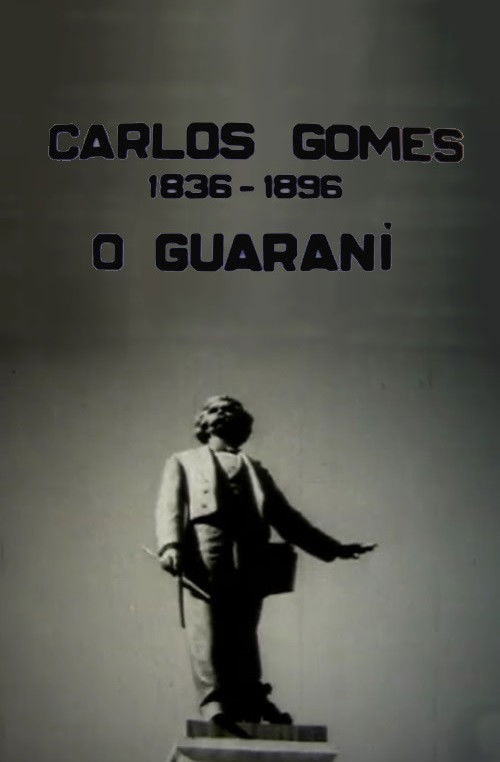
Guaraní
It tells the odyssey of Atilio and his granddaughter traveling to Buenos Aires, from Paraguay, his native country. The landscapes that run, the characters they encounter along the way, each with their own way of seeing t
Found 21 results Back to Home
It tells the odyssey of Atilio and his granddaughter traveling to Buenos Aires, from Paraguay, his native country. The landscapes that run, the characters they encounter along the way, each with their own way of seeing t

Basilio has become accustomed to the lack of water, to the abuse of authority, to the suffering and loneliness that corruption generates. He is trapped, like many others to the system that reigns where he lives.

The love affair between Ceci, a white woman and a handsome Indian, Peri, in Brazil.

Follows the journey of Spanish Jesuit and anthropologist Bartomeu Melià on his visit to a Mbya Guaraní indigenous community, which he first encountered 47 years ago and where he lived before his exile from Paraguay.
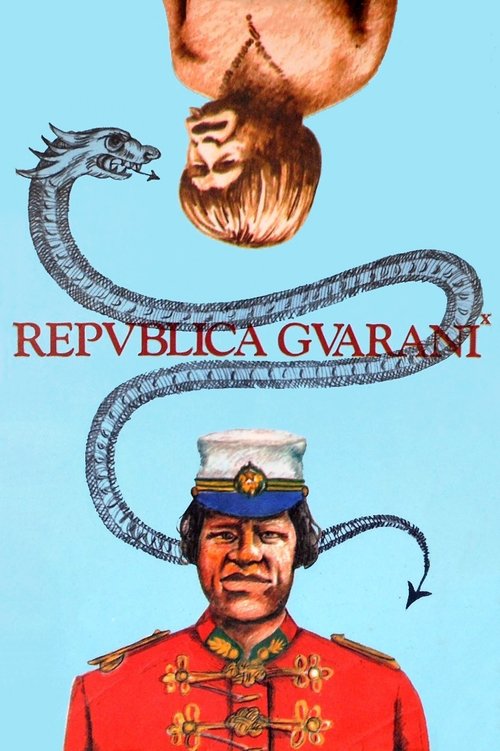
Formed by Jesuit missions in Brazil, Paraguay, Argentina and Uruguay, between 1610 and 1767, it congregated about 150,000 indigenous people in almost fifty "reductions" (Jesuit cities). The Christian-Communist Republic o

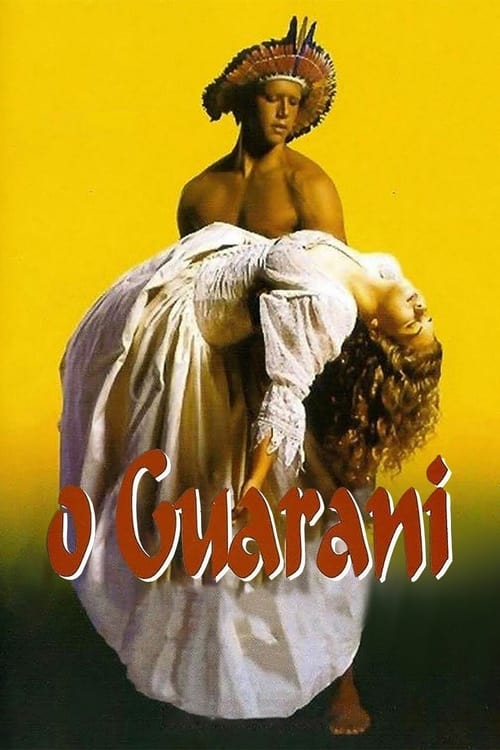
The forbidden love affair between Peri, an Indian, and the beautiful Ceci, a Portuguese white girl, in the 17th century Brazil.
As Ariel Ortega thinks about the history of contact of the Mbya-Guarani, he tries to understand how his people got expelled from their land.


The smallest indigenous reserve in Brazil suffers because of its proximity to the Juruá (non-indigenous). A village within the city of São Paulo. 800 Guaranis, live or survive, with their culture, their language and tr

About the preservation of indigenous identity and culture through the music of the Mbya Guaraní indigenous community of Tarumandy, Luque - Central.
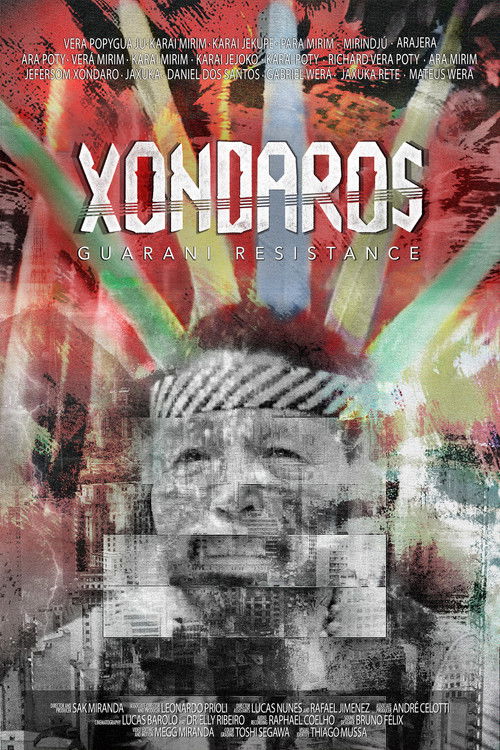
The 6 Guarani villages of Jaraguá, in São Paulo, fight for land rights, for human rights and for the preservation of nature. They suffer from the proximity to the city, which brings lack of resources, pollution of rivers

Adapted from the novel of the same name by writer José de Alencar, "O Guarani" tells a love story, in which young Cecília, daughter of a Portuguese nobleman, falls in love with Peri, an indigenous man of the Guarani ethn
Penty and his family are members of the Guarani tribe from the community of Bameno in the heart of the Amazon forest. They live in the selva, in a region that has been preserved from modern influence for many centuries.


The Land Without Evil is the mythology that guides the Guaraní communities. It narrates the search for a lost paradise. From the moment that Europeans crossed the Atlantic, it became the anima of a resistance discourse.