Found 74 results Back to Home

Farocki frequently chooses a single news photo as his pretext. In his film he explains convincingly that 'learning from images' is not so much a question of having power over the image or a consistent subject-position to
Sometimes, citizens of Czechoslovakia would have to spend several years waiting for their own car. Even so, the communist party hoped to use the newest model of the Škoda automobile to demonstrate the country’s affluence
November 1989 brought democracy and faith in economic prosperity. Like other state-run enterprises, Tatra Kopřivnice was to be transferred into private hands. However, the company’s privatization has become one example o
In 1908-1909, Albert Samama Chikli sold his negatives mostly if not exclusively to the short-lived Le Lion company. Shot in 1910 and released in January 1911, Industrie agricole arabe was possibly the first negative he s

Art et Industrie, founded by the visionary, Rick Kaufman, was the first art movement in the late 1970s to feature unconventional art in furniture form in the United States. The movement involved artists and designers who

The Dutch factory shown in the film manufactures e.g. lightbulbs, street lamps, bowls, and cups. Various facets of the production process are captured: melting, glass-blowing, heating, cooling, decorating, modelling, gri

A look at the manual production of fans, from basic construction to the painting of motifs and their folding into their typical shape.
More than one in a hundred adults are now incarcerated in the U.S. - that figure is higher than in China or Russia. Source: "One in 100", The Pew Center on the States, 2008
For centuries Tunisia was the leading producer of Mediterranean commercial sponge, which was one of the country’s most important export goods. When, in 1911, Albert Samama Chikli travelled to Libya to film the Italian-Tu
The island of Sumatra is famous for its tobacco, as all lovers of the weed know. Its preparation, its growth and the various stages through which the fragrant leaves must pass, before they are ready for the smoker, form

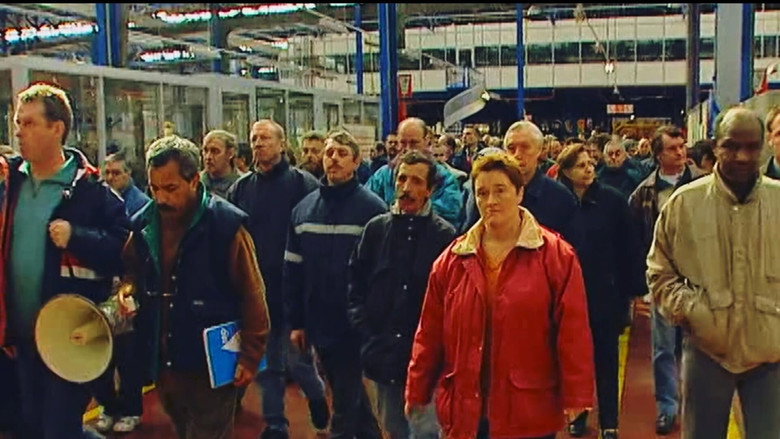
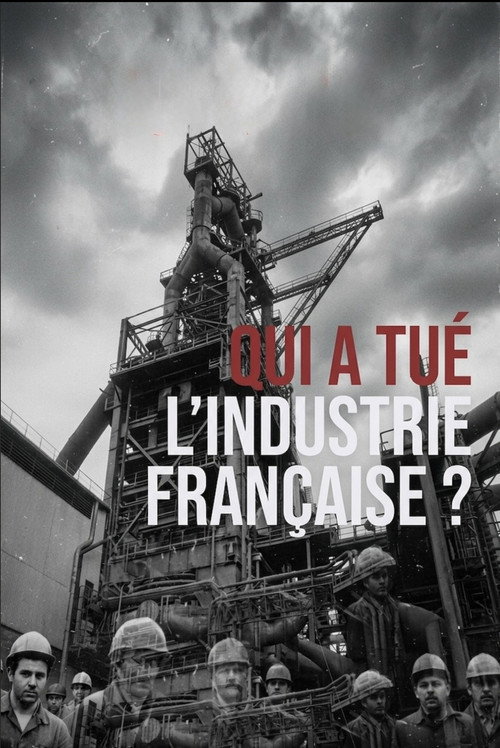


For decades, their factories secretly dumped toxic products into rivers, groundwater systems and soil. This pollution affected thousands, causing disabilities, cancers and death.

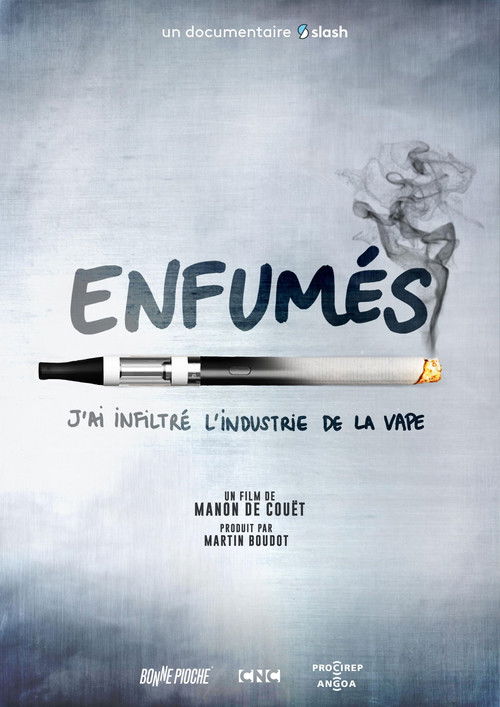

This is a very worrying observation: 2.2 billion people, or 40% of the world's adult population, are overweight or obese. Junk food plays a major role in this public health crisis. Evidence is mounting against ultra-proc
