The New Deal
1968 Tony Ganz short film
Found 14 results Back to Home
1968 Tony Ganz short film

twelveeightyone. Another insidious home movie presentation about winos, store owners, businessmen, and street vendors brought to you by the same derelicts who produced *useless wooden toys.

Plotless musical revue celebrating President Franklin D. Roosevelt's National Recovery Administration.


The Arts Project of the Work Projects Administration (1935-1942) was a USA government agency established to support writers, theater people, painters, sculptors, and photographers.

For decades, the American political system has seemed incapable of taking on climate change at the scale necessary to address the growing crisis. In November 2018 the youth-led organization Sunrise Movement and the young

Betty Boop emcees a show of pet-aid gadgets. Object: a "new deal for pets." Some ideas copied from Betty Boop's Crazy Inventions (1933).


"a graphic moving picture documentary about a part of life that the common man deems absurd and foolhardy..."

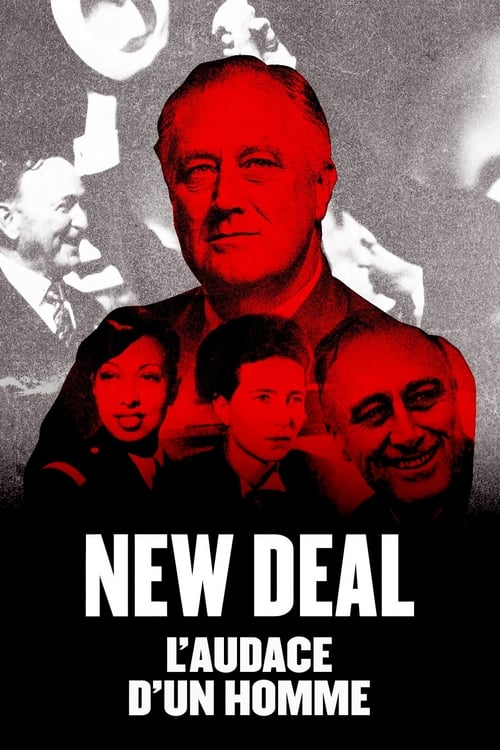
Elected in November 1932, as the economic crisis ravaged the United States, Franklin Delano Roosevelt immediately put all his campaign promises into action: it was time for the "New Deal". This bold plan, designed to tur
In his first one hundred days in office, in a effort to stem the effects of the Great Depression, President Roosevelt created many new federal agencies. They gave jobs and relief to people and transformed the American la
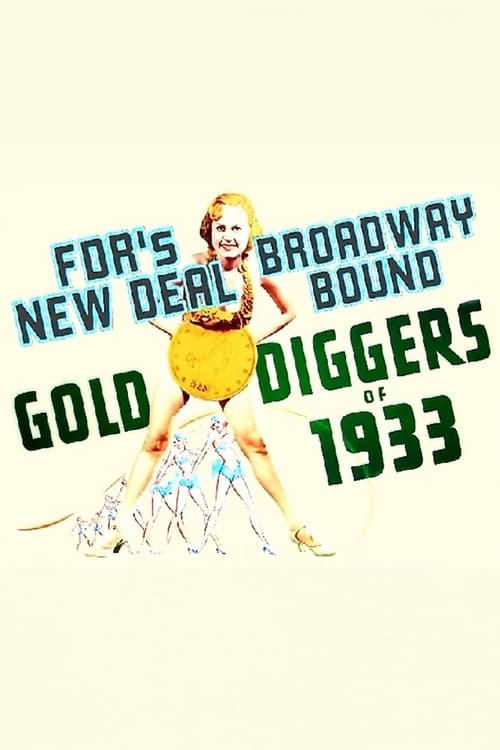
Short documentary about the Great Depression's impact on film, specifically Berkeley musicals.

In Eshbaugh’s ‘political’ animated cartoon world, the Democratic platform is destroyed by its own swallowing of the NRA (National Recovery Act), sending the Donkey representing the party into a dizzying disastrous buckin
Where is F.D. Robot? His twin sons, M1ke and Mik3, are on the hunt for their deadbeat dad in Austin, TX. Little do they know, their father is in the hands of two struggling musicians known as "The World War Two". In this
Focuses on the visual arts programs of the New Deal, highlighting the impact on the lives and work of American artists. When President Franklin D. Roosevelt took office in 1933 during the Great Depression, nearly 10,000
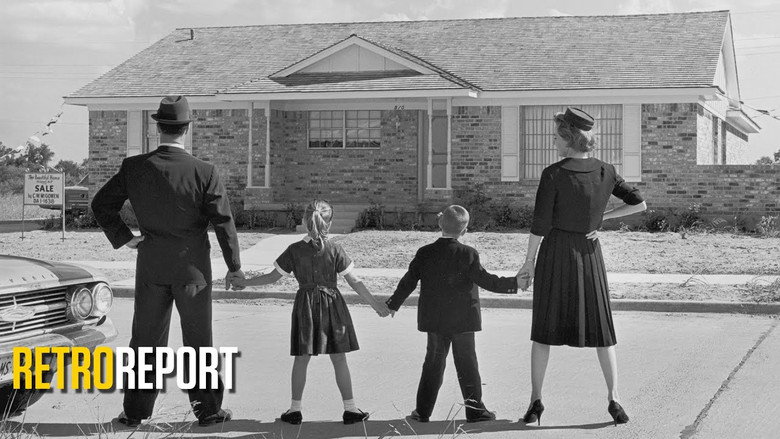
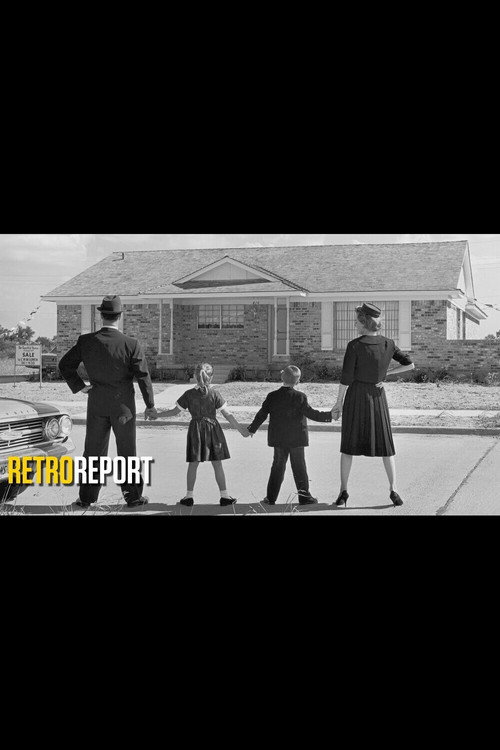
Examines how race-based federal lending rules from New Deal programs in the 1930s kept Black families locked out of suburban neighborhoods, a policy that continues to slow their economic mobility.