Sahrawi people
Documentary about the arduous early years of the Sahrawi cause (1977)
Found 23 results Back to Home
Documentary about the arduous early years of the Sahrawi cause (1977)
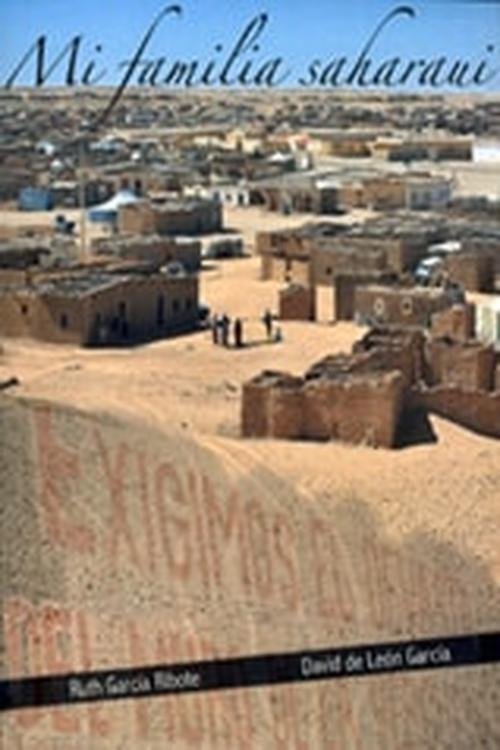
My Sahrawi family' is a report - documentary that reflects the bonds of unity between Sahrawi families and Spanish families who every summer welcome minors from refugee camps into their homes.

"We used to travel trough Sahara in quest for clouds. We did not depend on no airplanes, nor cars, just on our camels” Sahrawi grandpas recall today. Since 1975 Sahrawi people live in refugee camps, surviving the desert

It describes the way of life of the Sahara people in the Western Sahara Desert, in particular it tells the story of a child bitten by a snake.
For more than thirty years, tens of thousands of Saharawi have lived in makeshift camps, refugees in the Algerian desert. Because of this situation, children are forced to travel far to complete their studies. Many are t
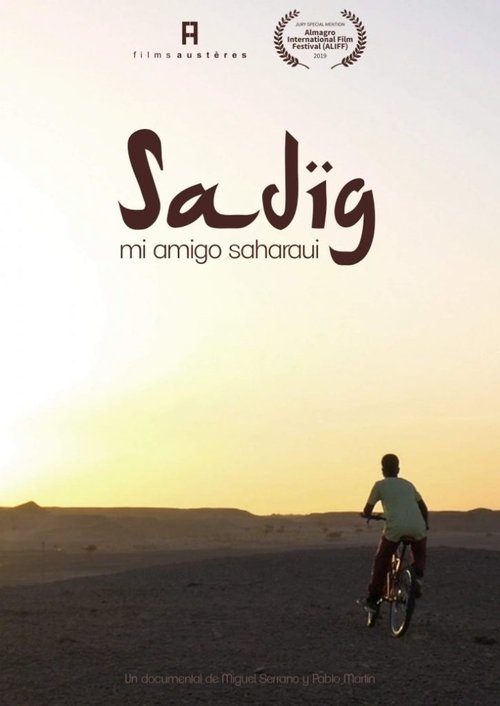
Habub and Marcos establish a relationship through “video letters” during the wintertime. Through these videos, we see what daily life is like in the Sahrawi refugee camps and, more importantly, how important the friendsh
Based on a true story. A Spanish soldier hides out with and aids the Saharawi people of the Western Sahara against the injustices of his own army.
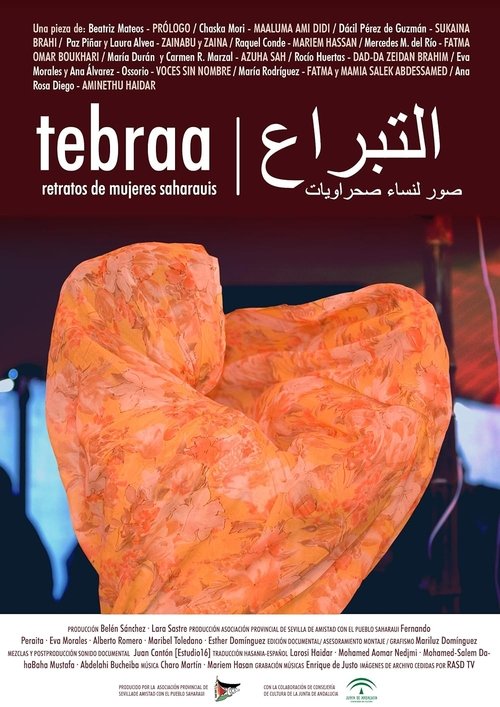
Tebraa is the song of the women of the Sahara desert. Songs of love or lamentation that they sing when they are alone. This collective documentary made by a group of Andalusian women tells the life and injustices that Sa

Ahmed lost a leg because of a landmine. Fatimetu works as a deminer. Mohamed tells the story of the wall that divides his country, Western Sahara. Kadija would like to come back to her occupied city, but she no longer ho
Morocco doesn’t want you to know what’s happening in the occupied territories of the Western Sahara. The Saharawi people live under constant threat. They can’t mention either the Western Sahara or “referendum”. The situa

Education Center for disabled children located in the Sahrawi refugee camps in Algeria. Despite the precarious conditions in which this population lives since 40 years ago, the Polisario Front as the representative of th
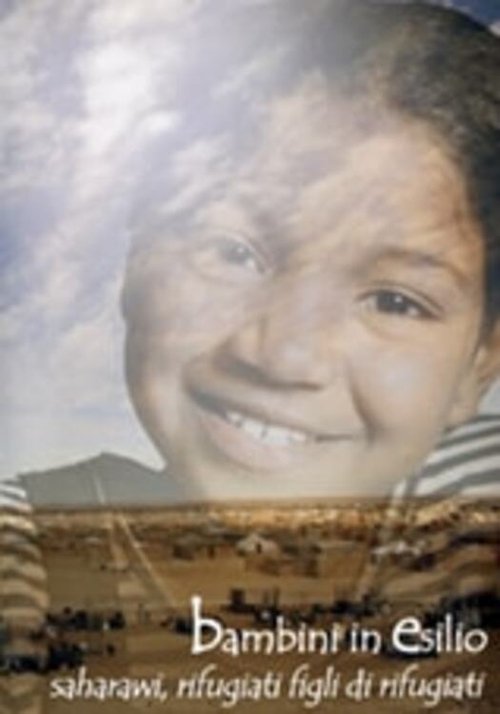
Refugees in Algeria since 1975, the Saharawi have had to forge another life path, fighting to return home. Their children, a generation born in exile to parents born in exile, tell the story and struggle of their people,
This is the reality of women of the same nation who live divided by the wall that has separated them for 35 years now. Exiled Sahrawi women who live in the refugee camps in Tindouf (Algeria) have a 88% representation rat
Equipe Media presents a short film about the history and situation of Sahrawi women.

This film shows us the reality of the refugee camps in Tindouf (Algeria). They have been organised as a matriarchy for more than 40 years, when Morocco occupied Western Sahara (Spanish ex-colony in Africa), giving way to
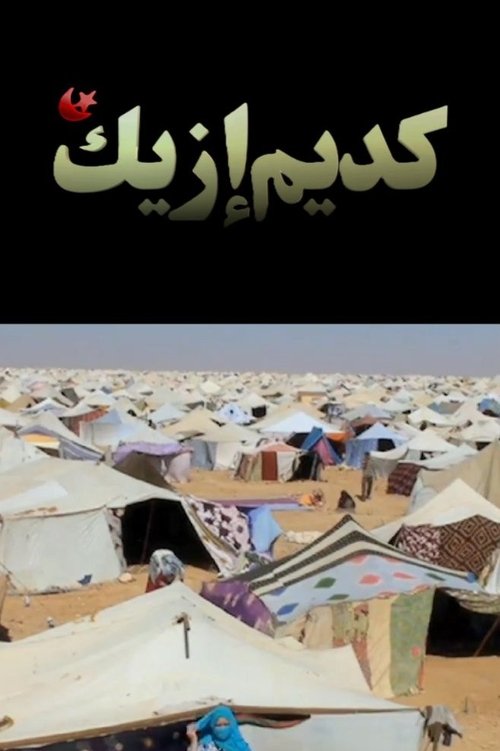
abel and Antonio are human rights activists. They were awoke by the loud noise of sirens and the roar of thousands of screamings. They picked what they could, between what was the camcorder. They switched it on and start

Médicos del Mundo Sahara presents the "Hunna Raquizat Alhayat" campaign that tells the stories of 17 Saharawi refugee women with different specialties and responsibilities within the field of health. This campaign arises
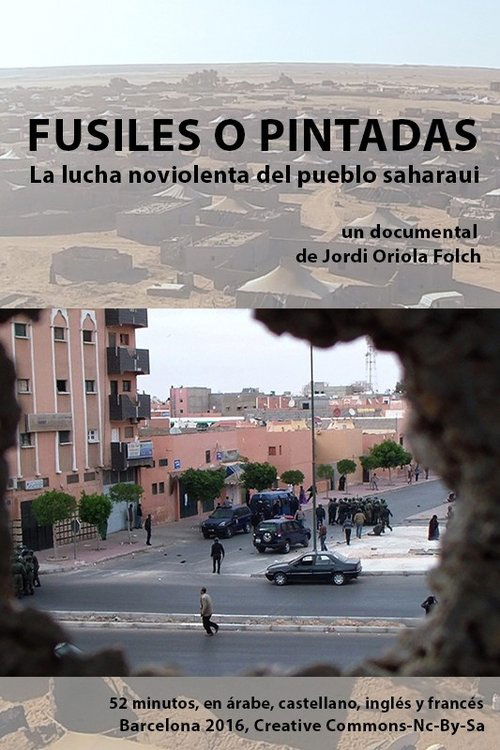
Many Saharawis are claiming to return to war in order to break the impasse of wainting during 40 years. However, the Sahrawi nonviolent activists argue that they are pushing Morocco to an untenable position. For them, th
An approach to Sahrawi culture, different aspects of daily life, culture and the struggle of the Sahrawi people in the Sahrawi refugee camps in Tindouf, Algeria, and in the area of the liberated territories of Tifariti.
This encounter takes place when an indigenous Nahua family from the Sierra Norte of Puebla, in Mexico, welcomes into their home a Sahrawi arab to share their customs and traditions. During this time spent together, one c