
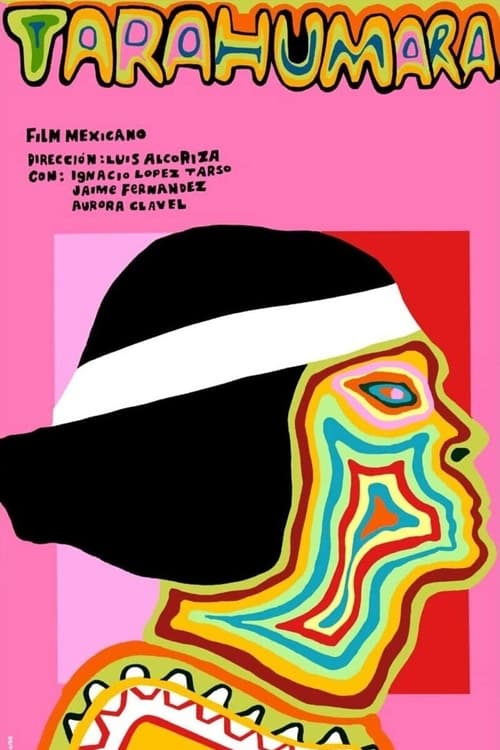
Tarahumara (Further and farther)
A worker of the Mexican Indigenist Institute tries to help the Tarahumara Indians to protect and keep their lands, but he must face corrupt landowners and politicians.
Found 21 results Back to Home
A worker of the Mexican Indigenist Institute tries to help the Tarahumara Indians to protect and keep their lands, but he must face corrupt landowners and politicians.
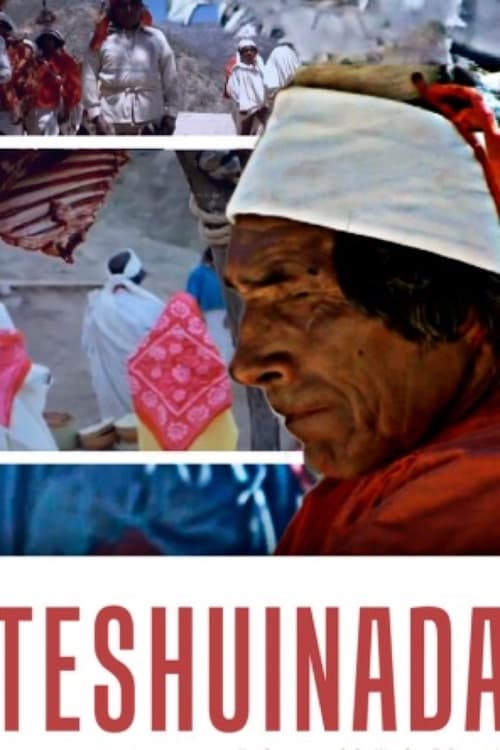
Documentary about Tarahumara religious observances around Easter time.

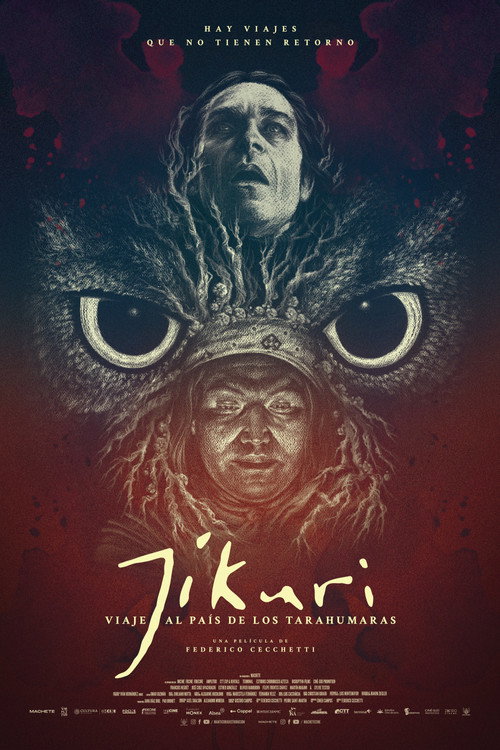
The life of Rayenari changes when the poet Antonin Artaud arrives to his village seeking the spiritual knowledge of the Tarahumara. Rayenari introduces him to the Peyote ceremony. However, the poet abandons the ritual an
“Amor Tarahumara” is a short documentary produced in 2001 as a university project that explores the meaning of love within the Rarámuri (Tarahumara) culture of northern Mexico. Through reflections, interviews, and poetic
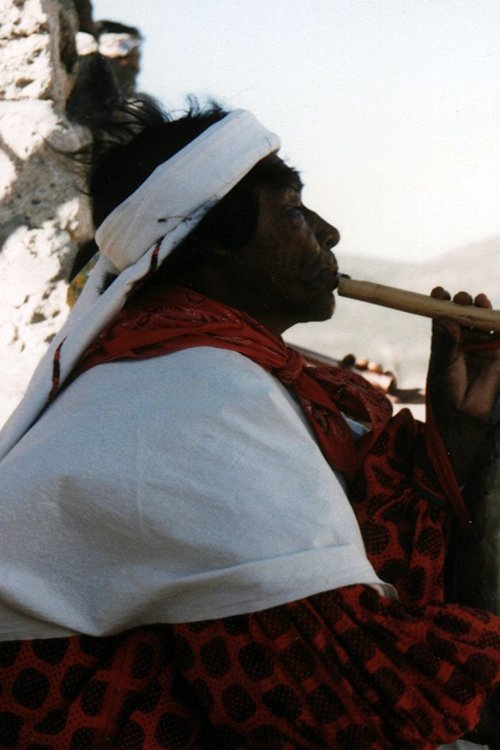
This film is a confrontation between the texts Antonin Artaud wrote about the Tarahumaras and the films Raymonde Carasco made with the Tarahumaras (from 1977 to 1994) on the track of Antonin Artaud, in Norogachic, the o
Fifth chapter of La fêlure du temps. "Yes, the dead, I see him very well. He tells me of the necessity to do that ritual. We have to end this, that he may be clean, limpiado, that he must finish all that needs to be fini
La fêlure du temps (2000-2003) is the last of the works of Raymonde Carasco focused on the Tarahumara. This epic divided into five chapters (L’Avant is the first) focuses on the origins and the disappearance of the Tarah
Second chapter of La fêlure du temps. "As a child, I loved to dance. I remember a time we lived in happiness"
Fourth chapter of La fêlure du temps. "We work the sueño, the pure sueño: first, see, see the disease, how the disease is advancing"
Third chapter of La fêlure du temps. "It's enough that Gloria tells you the first time: if you want to work that way, do it. The sueño is not taught: you yourself are going to think how to work the sueño"
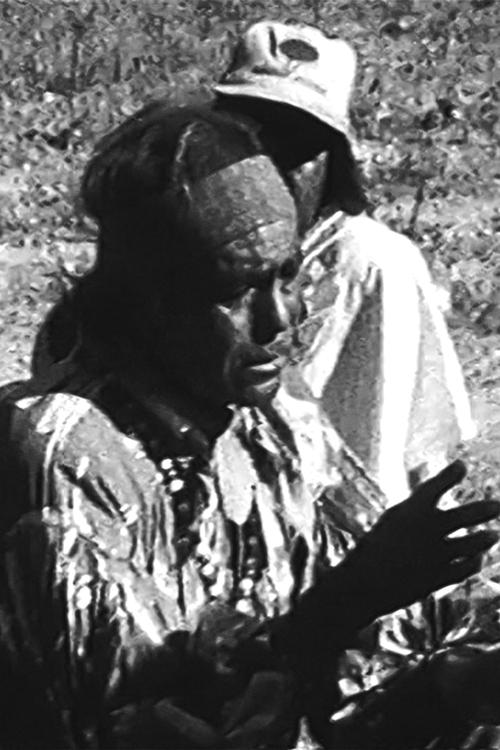
A documentary cycle involving the Rarámuri or Tarahumara people of Northern Mexico. This film addresses rites of winter as well as peyote and bakaka rites. Its commentary, read by Raymonde Carasco and Jean Rouch, is draw
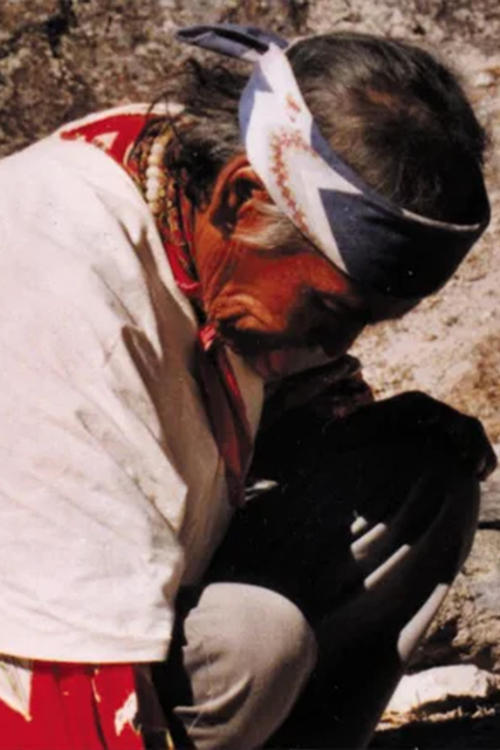
Rites of winter, rites of peyote. A creative documentary based on texts by Antonin Artaud read by Jean Rouch, and the words of the last shaman’s peyote, translated by Raymonde Carasco.
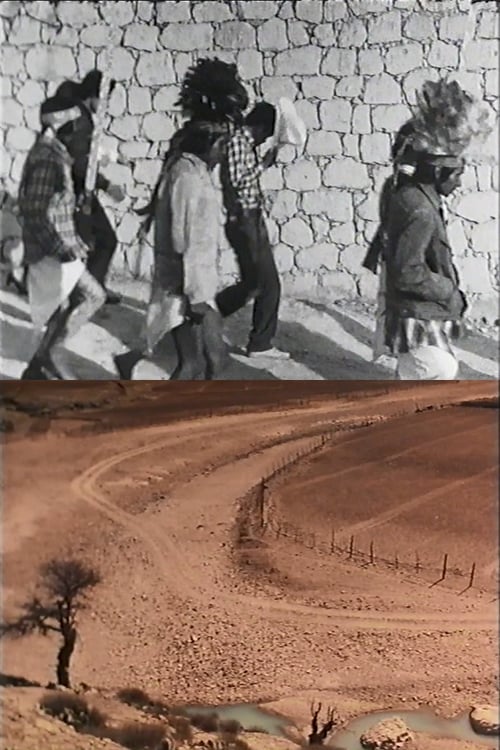
This film was shot during Easter 1985. It shows the preparation and staging of the Passion in the village of Norogachic, Mexico. The initiation rites of two Pascoleros, filmed for the first time, form the center of this
“The most culturally mixed of the Tarahumara dances, a hermaphrodite dance says Raymonde. We may have captured a little of Artaud’s vision in the Le rite du peyotl chez les Tarahumaras.” (Régis Hébraud)
This film chronicles a meeting: that of the Tarahumara Indians and a camera that looks at the people that are etymologically called "foot runners." Musical montage: steps rhythms, traditional gestures and postures.
This film was shot in August 1984 in NOROGACHIC, the heart of the Sierra Tarahumara (the same place where Antonin Artaud in 1936, claims to have attended the rites of Tutuguri after crossing "The Mountain of Signs").
To mark the celebrations of Holy Week, the Tarahumara Indians of Mexico invented (or found) dance-rites in which men paint the face and body. Passion processions depict two kinds of "fariseos" (Pharisees): some dressed i
"Erasmo Palma: Matachín dancer, Tarahumaras songwriter, resource for anthropologists, our informer and friend since 1978." (Régis Hebraud)
This film was shot in summer 1979. The repeated ritual of Tutuguri that Tranquilino the saweame sang and danced six times in a short, strictly accurate duration. Secret words from which only emerge vowels, dance that bui