

My Wonderful West Berlin
MY WONDERFUL WEST BERLIN recounts the lives and struggles of gay men in West-Berlin. Through present-day scenes and never before seen archival footage, a fascinating picture emerges of a city, that today characterizes it
Found 14 results Back to Home
MY WONDERFUL WEST BERLIN recounts the lives and struggles of gay men in West-Berlin. Through present-day scenes and never before seen archival footage, a fascinating picture emerges of a city, that today characterizes it
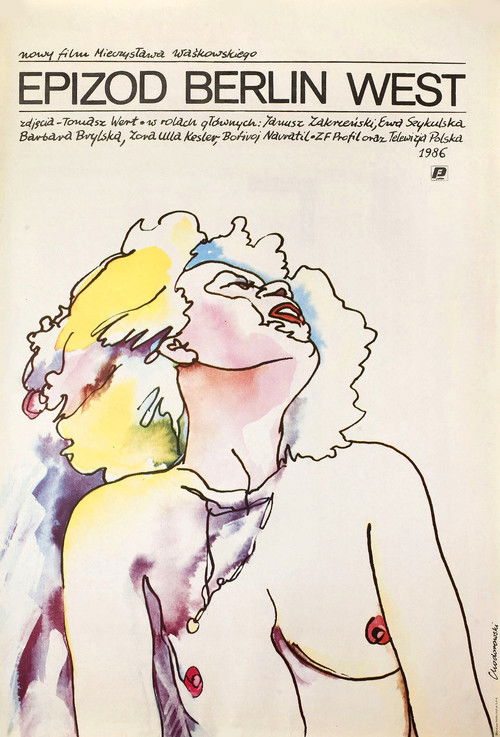
The 1980s. Jan Bard, Polish intellectual and writer, leaves for West Berlin. He is working on another novel here. In Germany, he meets his old love Iza. He revives the feeling that once connected them. The woman is the e
Dragan Wende has lived in Berlin since the '70s and has seen the city change through the years. His nephew comes to live with him as Dragan remembers the better days he lived as a Yugoslavian immigrant in a divided city.
Tv documentary by Margarete Kreuzer about the sub-culture of West-Berlin in the 1980s. The unique political and geographical status of West-Berlin in the cold war lead to a unique scene of artists reflecting the Zeitgei
One year before the Berlin Wall fell, this silent black&white documentary from 1988 is a profile of West-Berlin: places and people, moods and locations; you eventually see "Checkpoint Charlie" still in function.
A documentary on the development and evolving situation in Berlin from 1945 until the early 1960s from both a political and human perspective,
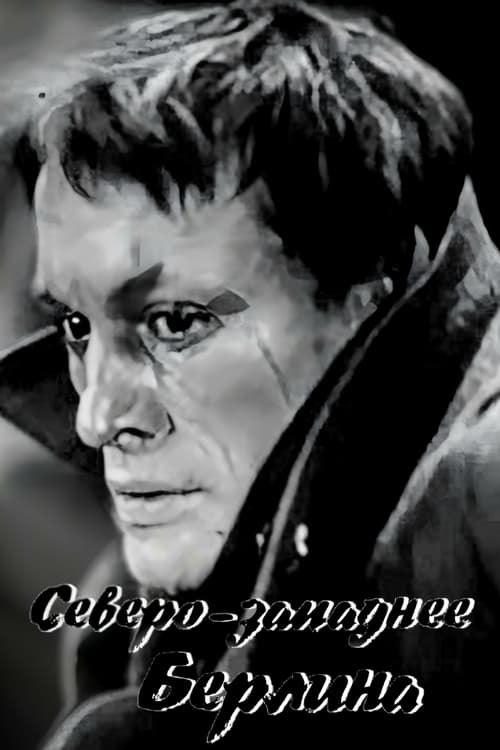
A military unit freed a soldier from captivity. It turned out that his fiancee serves as a nurse in this unit. But the soldier, whose face was disfigured by the Nazis, didn't dare to meet her.
Scotty and Stuart
This video captures innovative jazz composer, bandleader and pianist/synthesizer player Sun Ra's two live concert performances in East Berlin in 1986. Claiming that he was of the "Angel Race" and not from Earth but rathe
This short snippet of silent 8 mm film was filmed by Ingrid Oppermann in West-Berlin, possibly close to her apartment in Kurfürstenstraße, where Harun Farocki’s The Words of the Chairman (1967) was shot. The snow that is

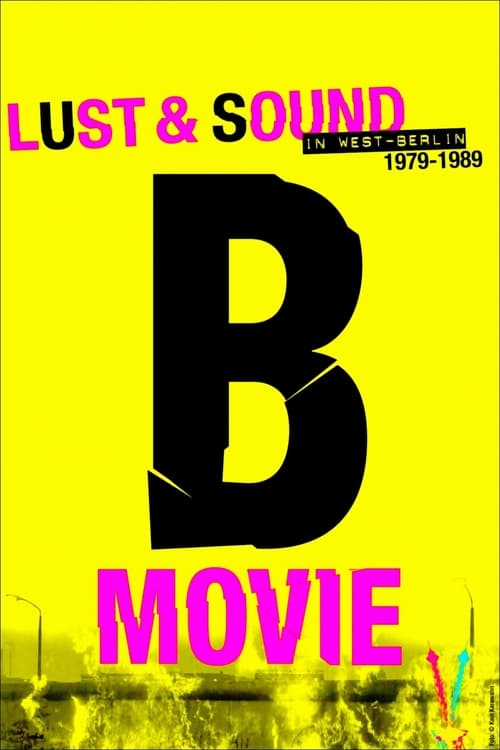
The wild West Berlin of the 1980s became the creative melting pot of pop subcultures: music, art and chaos. Before the Iron Curtain fell, anything and everything seemed possible.


Defeated Germany has just been divided into two zones ( Soviet and Allied ) when Hans, a young inhabitant of Berlin, decides to cross the demarcation line to join his family.